Model guide
Wuling Yangguang Pro EREV: Big-Van Practicality with 850 km Combined Range
How the extended-range Pro works, what the 850 km figure means and where it makes more sense than a pure EV.
By EVtoU Export TeamPublished 2 min read
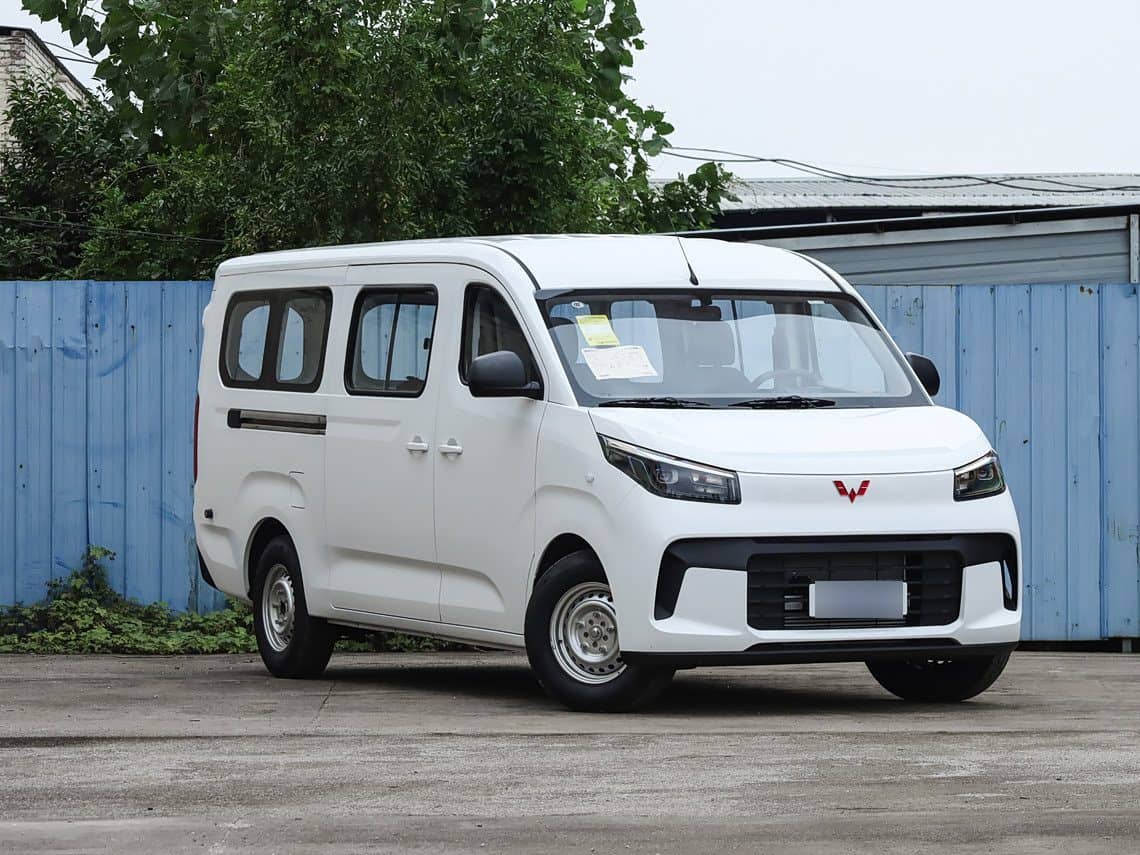
The Wuling Yangguang Pro EREV is the only extended-range van in the Yangguang family. It drives like an electric van but carries a petrol generator, so it keeps working where chargers are scarce. The manufacturer quotes 850 km of combined range on the CLTC cycle.
How does an extended-range van work?
The wheels are always driven by the electric motor — 110 kW and 280 N·m in the EREV. Energy comes from a 31.9 kWh LFP battery, good for 150 km on the CLTC cycle (101 km on the stricter WLTC cycle). When the battery is low, a 1.5-litre turbocharged petrol engine (143 PS) runs as a generator. The engine never drives the wheels directly.
| Item | Value |
|---|---|
| Electric range | 150 km CLTC / 101 km WLTC |
| Combined range | 850 km CLTC |
| Battery | 31.9 kWh LFP, liquid-cooled |
| Drive motor | 110 kW (150 PS), 280 N·m, rear-wheel drive |
| Range extender | 1.5 L turbo petrol, 143 PS, direct injection |
| Fuel tank / grade | 55 L / 92 RON |
| DC fast charge 30–80% | 15 minutes |
| Top speed | 120 km/h |
| Seats | 6 (passenger van) |
What do CLTC and WLTC mean?
CLTC is the China Light-duty vehicle Test Cycle, defined in national standard GB/T 38146 and used for Chinese range figures. Its average speeds are lower than WLTC, so CLTC ranges read higher. Use the WLTC figure, or your own trial data, for planning. Background: China Light-Duty Vehicle Test Cycle.
When is the EREV better than the pure EV?
- Routes longer than the electric range, with no charging stop.
- Regions with unreliable grid power or few public chargers.
- Mixed duty: electric in town, generator-assisted between towns.
- Markets where buyers are new to EVs and worry about range.
When is the pure EV better?
If your vans return to a depot each night and drive less than their electric range, the battery-electric Pro is simpler and cheaper to run: a bigger 69.2 kWh battery, 150 kW motor, and no engine to service. The EREV is also offered only as a 6-seat passenger van, while the EV comes as a panel van too.
What about import rules for an EREV?
Because it has a petrol engine (China VI emissions), some countries classify the EREV differently from a battery-electric vehicle for duties and certification. Ask your broker, and see our market guides.
Related articles
Import guide2 min read
How to Import Wuling Yangguang Pro EV Vans from China
Eight steps from first inquiry to vans released at your port — with the documents you need at each stage.
Read the article
Model guide2 min read
Nearly 2 Metres Wide: Inside the Cargo Area and Driving Character of the Yangguang Pro
Cargo-box dimensions, loading access and the chassis facts that shape how the Pro drives.
Read the article
Fleet guide2 min read
Scale Your Last-Mile Delivery Business with the Wuling Yangguang Pro
From one trial van to a repeat-order fleet: a step-by-step plan for operators importing from China.
Read the article