Fleet economics
Boost Your Delivery Business Margins: How to Work Out Whether a Yangguang Pro Pays for Itself
A simple, honest method to estimate energy savings and payback with your own local numbers.
By EVtoU Export TeamPublished 2 min read
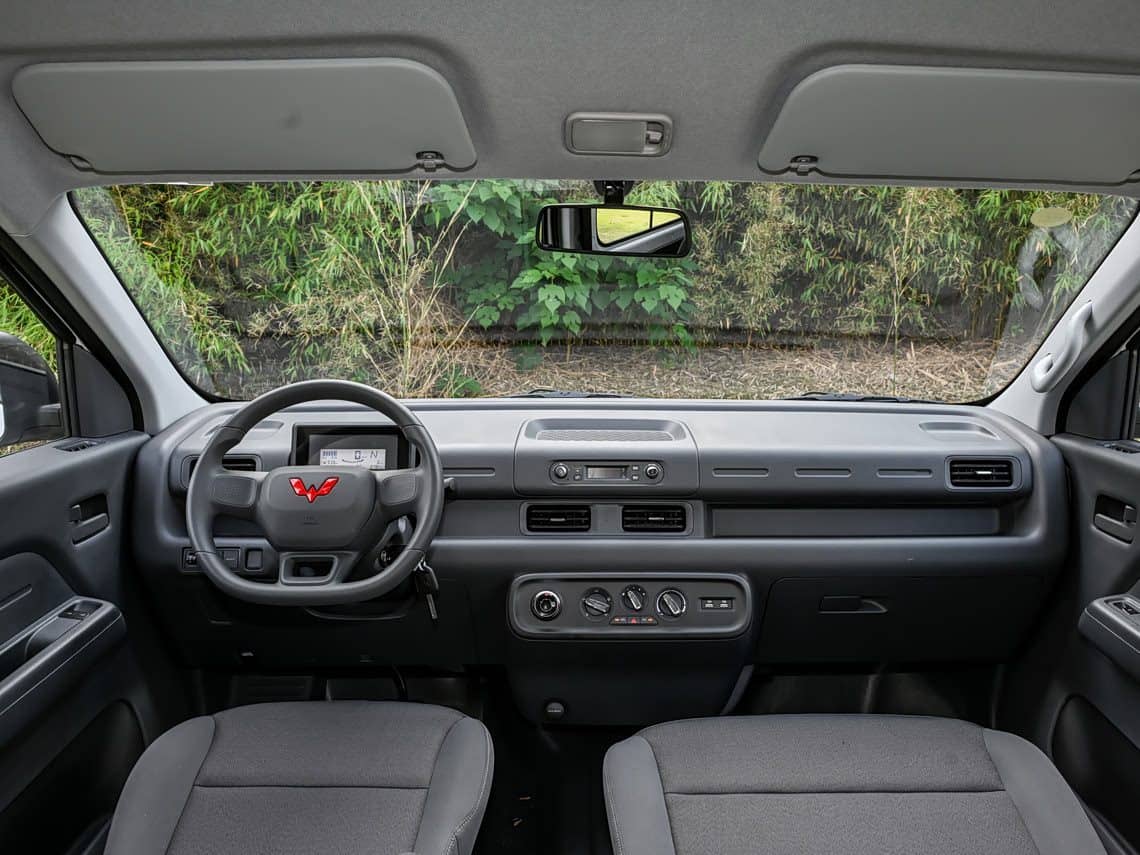
Whether an electric van pays for itself depends on three local numbers: what you pay for electricity, what you pay for fuel, and how far your vans drive. No exporter can promise a payback period without those numbers. What we can do is give you a clear method — and the manufacturer data you need to apply it.
Step 1: Estimate energy use per 100 km
Dividing battery capacity by CLTC range gives a test-cycle consumption figure. For the battery-electric Yangguang Pro with a 69.2 kWh battery and 405 km CLTC range, that is about 17 kWh per 100 km. Real operation with full loads, air conditioning and higher speeds uses more, so measure on your own routes during a trial and adjust.
| Version | Battery | CLTC range | ≈ kWh/100 km (CLTC) |
|---|---|---|---|
| Pro 405 km passenger / Operation | 69.2 kWh | 405 km | 17.1 |
| Pro 380 km panel | 69.2 kWh | 380 km | 18.2 |
| Pro 318 km passenger | 54.5 kWh | 318 km | 17.1 |
| Yangguang 440 km passenger | 56.2 kWh | 440 km | 12.8 |
Step 2: Compare energy cost with your current van
Energy cost per 100 km = consumption × local price. Do this for the electric van (kWh × electricity price) and for your current fuel van (litres × fuel price). The difference, multiplied by your yearly distance ÷ 100, is the yearly energy saving.
| Input | Electric Pro | Current fuel van |
|---|---|---|
| Consumption per 100 km | 20 kWh (allowing for real-world use) | 11 L |
| Energy price (example) | 0.15 per kWh | 1.00 per L |
| Energy cost per 100 km | 3.00 | 11.00 |
| Distance per year | 40,000 km | 40,000 km |
| Energy cost per year | 1,200 | 4,400 |
In this illustrative example the yearly energy saving is 3,200 currency units per van. Your figure may be higher or lower; local tariffs vary widely.
Step 3: Add the other cost lines
- Maintenance: an electric drivetrain has no engine oil, spark plugs or clutch. Brakes, tyres and suspension still wear.
- Charging equipment: budget for depot chargers; we can quote AC wall boxes with your order.
- Import costs: duties, taxes and certification differ by country — see our market guides.
- Resale and financing: ask your local bank or leasing partner how they treat electric vans.
Step 4: Calculate payback
Payback in years = (landed price of the electric van − landed price of the alternative + charging equipment) ÷ (yearly energy saving + yearly maintenance saving). If the result is shorter than the period you plan to keep the van, the electric van pays for itself.
How to reduce risk
Start with a trial order — our minimum order is one unit — and log consumption, charging time and driver feedback for a few months. Then scale with real data. Our guide to scaling a last-mile fleet explains how.
Related articles
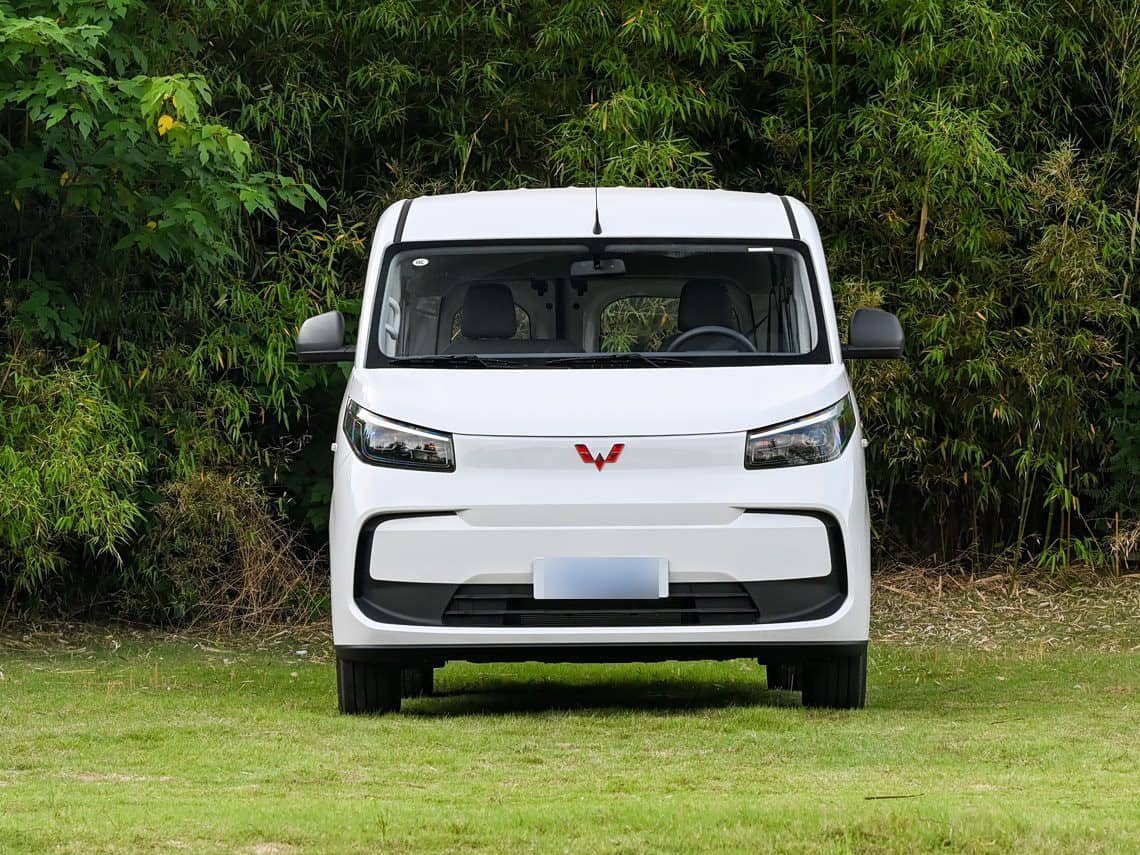
Import guide2 min read
How to Import Wuling Yangguang Pro EV Vans from China
Eight steps from first inquiry to vans released at your port — with the documents you need at each stage.
Read the article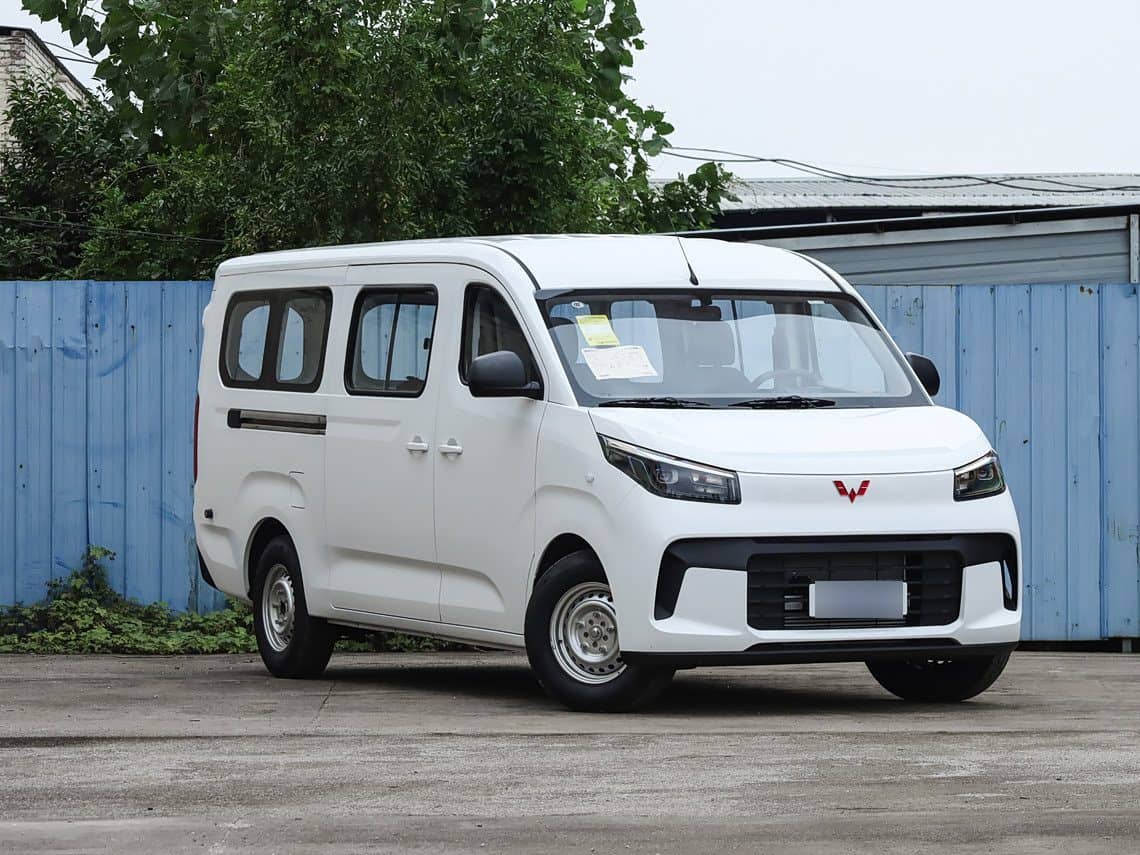
Model guide2 min read
Wuling Yangguang Pro EREV: Big-Van Practicality with 850 km Combined Range
How the extended-range Pro works, what the 850 km figure means and where it makes more sense than a pure EV.
Read the article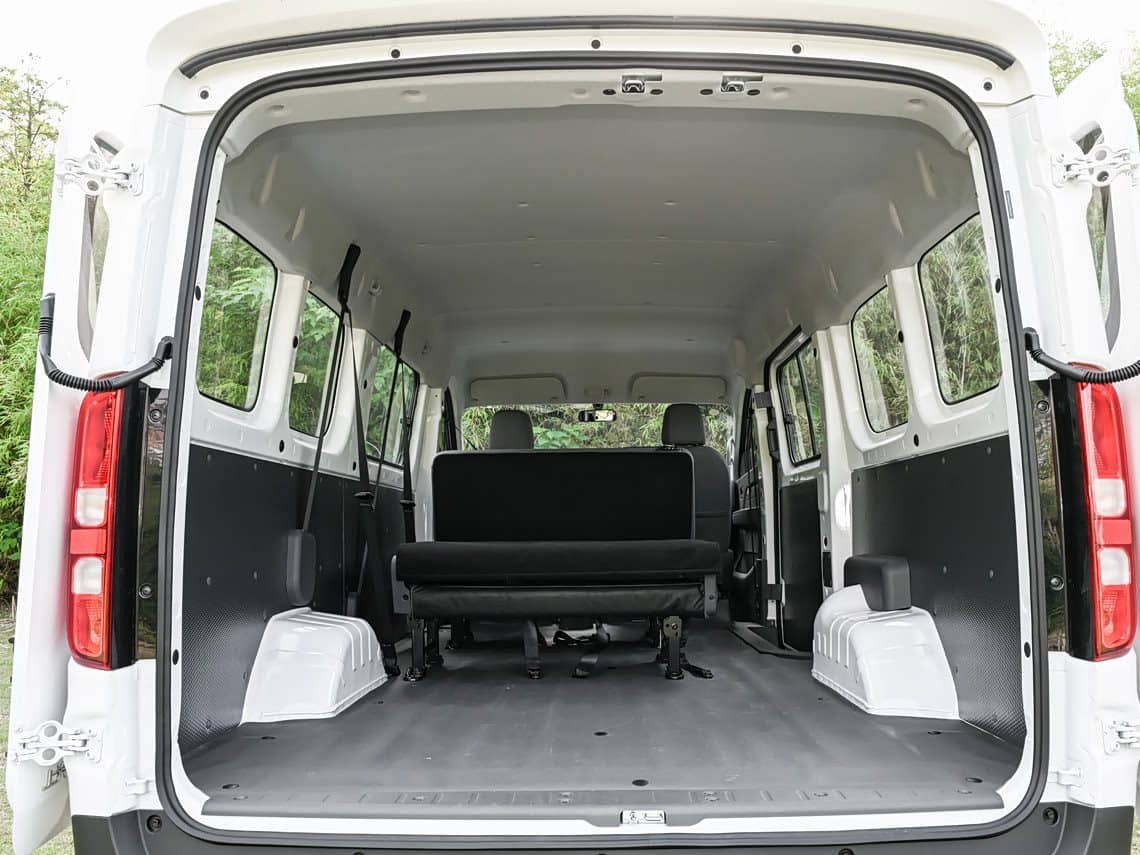
Model guide2 min read
Nearly 2 Metres Wide: Inside the Cargo Area and Driving Character of the Yangguang Pro
Cargo-box dimensions, loading access and the chassis facts that shape how the Pro drives.
Read the article